
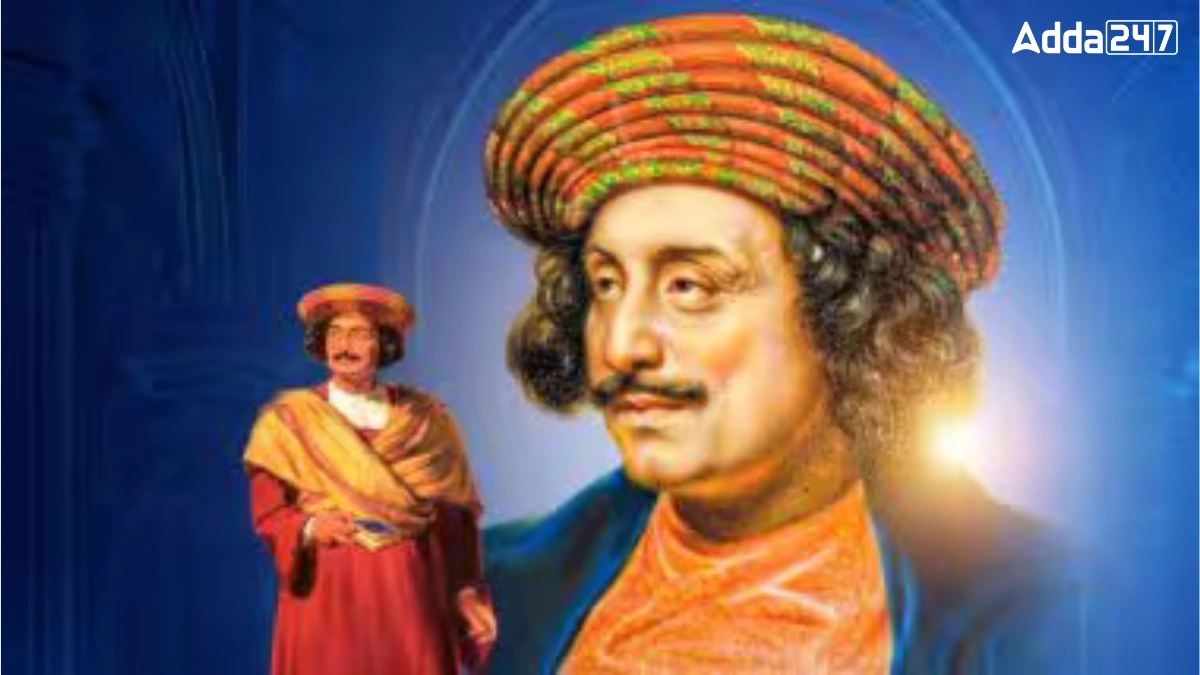
Here’s the thing: history is never simple. It’s a messy tapestry woven with threads of truth, interpretation, and, let’s be honest, sometimes outright political agendas. So, when a Madhya Pradesh minister recently labelled Ram Mohan Roy , a towering figure of the Indian Renaissance, a ‘British agent,’ it wasn’t just a statement – it was a spark. A spark that ignited a debate about Roy’s legacy, his role in shaping modern India, and the very nature of historical narratives. What fascinates me is, why now? Why is Roy, after all these years, suddenly being dragged into the crosshairs of political discourse?
The ‘Why’ Behind the Accusation | A Deeper Dive
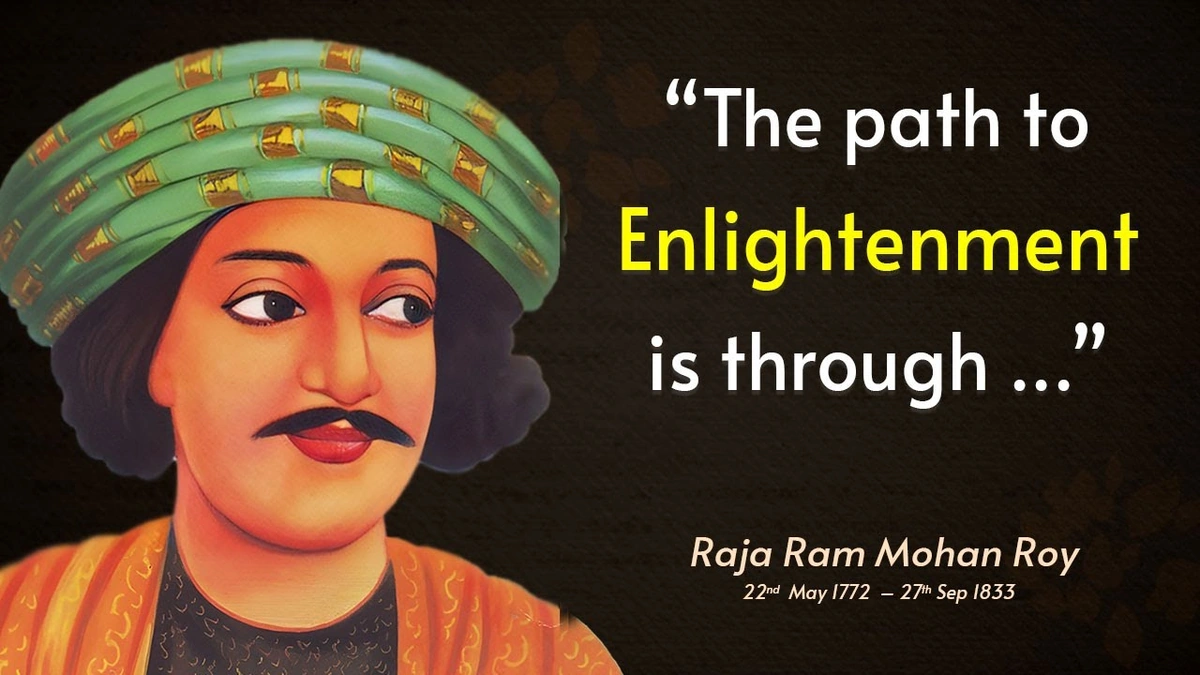
To understand the minister’s claim, we need to look beyond the surface. This isn’t just about one person’s opinion; it’s about the ongoing struggle to define India’s identity and its relationship with its colonial past. Roy, often hailed as the ‘Father of Modern India,’ was a complex figure. He championed Western education and social reform, advocating for the abolition of Sati and promoting women’s rights. But his admiration for Western ideals and his engagement with the British administration have, for some, always been a point of contention. The accusation of being a “British Agent” isn’t new, but its resurgence now, in the context of rising nationalism and debates about cultural authenticity, is significant.
Let me rephrase that for clarity: it boils down to differing interpretations of his actions. Some see his collaboration with the British as a pragmatic strategy to achieve social reform within the existing power structure. Others view it as a compromise of national identity, a betrayal of indigenous values. The minister’s statement taps into this latter sentiment, playing on anxieties about Western influence and the perceived erosion of traditional Indian culture. But, and this is a big but, ignoring the context of the 19th century is a dangerous game. India under British rule was a vastly different beast, and judging historical figures by today’s standards is rarely fair.
Ram Mohan Roy’s Reformist Agenda | A Double-Edged Sword?
Ram Mohan Roy ‘s commitment to social reform was undeniable. He was a vocal critic of idol worship, caste discrimination, and the oppressive practice of Sati. He founded the Brahmo Samaj, a socio-religious reform movement that sought to synthesize Western rationalism with Hindu philosophy. His efforts led to the Sati Regulation Act of 1829, a landmark legislation that outlawed the burning of widows on their husband’s funeral pyres. But – and there’s always a but – his methods and his message weren’t universally embraced.
Many within the orthodox Hindu community viewed his reforms as an attack on their traditions and beliefs. They saw his embrace of Western education as a threat to their cultural identity. This tension between reform and tradition is central to understanding the controversies surrounding Ram Mohan Roy . A common mistake I see people make is viewing history through a simplistic lens of ‘good’ versus ‘evil.’ The reality is far more nuanced. Roy was a product of his time, grappling with complex issues in a rapidly changing world. He was, in many ways, a bridge between the East and the West, attempting to reconcile tradition with modernity. Whether he succeeded, and whether his methods were justified, remains a subject of debate even today.
The Lasting Impact of Ram Mohan Roy
Despite the controversies, Ram Mohan Roy ‘s impact on India is undeniable. He laid the foundation for modern Indian nationalism by advocating for self-governance and promoting education and social reform. He championed the cause of women’s rights, advocating for their education and property rights. He was a pioneer of Indian journalism, using his writings to challenge social injustices and promote progressive ideas. Even if one disagrees with his methods or his worldview, it’s impossible to deny his contributions to the making of modern India. According to historical accounts, Roy was a multifaceted man, deeply influenced by exposure to multiple cultures and philosophies.
And that, perhaps, is the most important lesson we can learn from this whole episode. History is not a collection of static facts; it’s an ongoing conversation. It’s about understanding the complexities of the past, grappling with different perspectives, and acknowledging the nuances of human actions. Demonizing figures like Ram Mohan Roy serves no purpose other than to fuel division and distort our understanding of the past. Instead, we should strive to engage with history critically and constructively, learning from the mistakes and celebrating the achievements of those who came before us. Remember, understanding context is key. Let’s analyze history, not just accept it.
I initially thought this was straightforward, but then I realized the complexity of the situation. It isn’t just a matter of taking a position. It’s about considering why this is being debated now, and what that says about the current climate in India. The debate about Ram Mohan Roy reflects deeper anxieties about national identity, cultural authenticity, and the legacy of colonialism. It’s a reminder that history is never truly settled; it’s always being reinterpreted and re-evaluated in light of present-day concerns.
The one thing you absolutely must remember is this: the past informs the present, and the present shapes our understanding of the past. Roy’s ideas concerning Sati abolition were radical for their time. His efforts towards women’s education and Indian nationalism were pioneering, and we should acknowledge their significance.
Navigating Historical Narratives
So, how do we navigate these conflicting narratives? How do we reconcile Roy’s reformist zeal with the criticisms leveled against him? There’s no easy answer, of course. But a good starting point is to approach history with humility and a willingness to listen to different perspectives. We need to acknowledge the complexities of the past, recognize the limitations of our own understanding, and resist the temptation to impose present-day values on historical figures. As per the guidelines mentioned in numerous historical analyses, objective analysis is paramount.
And let’s be honest, sometimes it’s uncomfortable. Confronting the darker aspects of our history can be painful, but it’s also essential for growth and understanding. We need to be willing to challenge our own assumptions, question our own biases, and engage in open and honest dialogue about the past. That’s the only way we can learn from history and build a better future. Speaking of the future, education is a critical piece of that future.
FAQ | Understanding Ram Mohan Roy and the Controversy
Frequently Asked Questions
Why is Ram Mohan Roy called the ‘Father of Modern India’?
He’s seen as a pivotal figure in bridging traditional Indian society with modern, Western ideals. His reforms touched social, religious, and educational spheres.
Was Ram Mohan Roy really a ‘British Agent’?
That’s a highly contested claim. He worked with the British administration to implement reforms, but his motives and the overall impact of his actions are debated.
What was Ram Mohan Roy’s main contribution?
His relentless advocacy against Sati and his promotion of education for women are considered his most significant contributions.
What if I want to learn more about Ram Mohan Roy?
Start with reputable biographies and academic articles. Look for balanced perspectives that explore both his achievements and the criticisms leveled against him. Explore sources such as Wikipedia’s entry on Ram Mohan Roy for more information.
How did the Brahmo Samaj contribute to social reform in India?
The Brahmo Samaj challenged traditional Hindu practices like idol worship and caste discrimination, advocating for a more rational and ethical approach to religion.
In conclusion, the controversy surrounding Ram Mohan Roy is a valuable opportunity to revisit our understanding of Indian history. It challenges us to think critically about the past, to acknowledge the complexities of historical figures, and to engage in open and honest dialogue about our shared heritage. Only then can we truly learn from history and build a more just and equitable future.



Leave feedback about this